Medical Disclaimer: This article is for informational purposes only and does not constitute medical advice. Always consult a qualified healthcare professional before starting any supplement regimen or making changes to your health routine. The information presented here is based on published research but should not replace professional medical guidance.
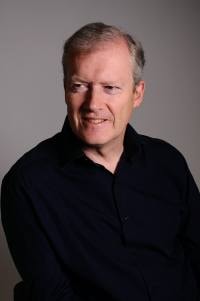
David Sinclair is arguably the most prominent longevity scientist alive. A professor of genetics at Harvard Medical School and co-director of the Paul F. Glenn Center for Biology of Aging Research, he has published over 170 peer-reviewed papers on ageing, co-founded eight biotech companies, and written the best-selling book Lifespan: Why We Age — and Why We Don't Have To.
He is also unusually transparent about his personal health practices. In podcasts, books, interviews, and his own commentary on research papers, Sinclair has shared his supplement protocol, dietary habits, exercise routine, and the specific products he uses. This makes him the rare scientist whose personal behaviour can be evaluated alongside his published research.
This guide compiles everything known about Sinclair's current protocol as of 2025, cross-references it with the scientific literature, and provides an honest assessment of where the evidence is strong — and where it's more speculative.
⚡ Key Points
- Sinclair's core supplement stack: NMN (1g/day), resveratrol (1g/day with olive oil), metformin (prescription), vitamin D3, vitamin K2, aspirin, quercetin, and TMG
- He follows a modified OMAD (one meal a day) or intermittent fasting pattern, typically skipping breakfast and lunch
- He avoids red meat and dairy, follows a largely plant-based diet, and avoids excessive protein intake
- He exercises regularly: strength training and HIIT, measured via VO2 max tracking
- His biological age, measured by epigenetic clocks, reportedly reads younger than his chronological age of 55
- Several of his practices — particularly metformin for non-diabetics — are controversial among longevity researchers
Who Is David Sinclair?
Born in Sydney, Australia in 1969, Sinclair completed his PhD in molecular genetics at the University of New South Wales before moving to MIT as a postdoctoral researcher under Leonard Guarente, where he made foundational discoveries about sirtuins — NAD+-dependent proteins associated with longevity.
His own laboratory at Harvard has been central to several landmark discoveries in ageing research, including the identification of sirtuins' role in DNA repair and gene regulation, the development of the epigenetic theory of ageing (the Information Theory), and research into NAD+ precursors, senolytics, and cellular reprogramming.
He is a co-founder of Life Biosciences, Metro Biotech, Iduna Therapeutics, and other longevity-focused companies — which creates conflicts of interest worth acknowledging, though his academic publications are peer-reviewed independently of these commercial interests.
His Theory: The Information Theory of Ageing
Sinclair's central scientific contribution is the Information Theory of Ageing, detailed in Lifespan. The core idea: ageing is fundamentally a loss of epigenetic information — the molecular marks that tell cells which genes to express and which to silence.
Think of DNA as the hardware and the epigenome as the software. When you're young, the epigenome is cleanly written. As you age, this information becomes corrupted — not through DNA mutations primarily, but through the progressive loss of the epigenetic signals that regulate gene expression. Cells begin to "forget" what type of cell they are, function declines, and the hallmarks of ageing emerge.
The Epigenetic Clock
Sinclair collaborates with Steve Horvath, whose work created the "epigenetic clock" — a methylation-based biomarker that predicts biological age more accurately than chronological age. Sinclair's own biological age, measured by one of these clocks in 2023, reportedly read approximately 10 years younger than his chronological age of 53–54. He has attributed this partly to his protocol, though separating supplementation effects from genetics and lifestyle is impossible in an n=1 case.
The practical implications of the Information Theory: if ageing is information loss, it may be reversible. Sinclair's lab has demonstrated cellular reprogramming in animal models — restoring aged eye cells to a youthful state using Yamanaka factors, with a resultant reversal of vision loss. This is the science underpinning his optimism about radical life extension.
His Full Supplement Stack
Sinclair has shared his daily supplement protocol across multiple sources, including the Huberman Lab podcast, The David Sinclair Podcast, and his book. While specifics have evolved over time (he adjusts based on new research), his 2024–2025 protocol appears to consist of:
| Supplement | Dose | Timing | Primary Rationale | Evidence Level |
|---|---|---|---|---|
| NMN | 1g/day | Morning | NAD+ restoration, sirtuin activation | ★★★★☆ Strong |
| Resveratrol | 1g/day | Morning with olive oil | Sirtuin activation, anti-inflammatory | ★★★☆☆ Moderate |
| Metformin (Rx) | 500–850mg/day | Evening with food | mTOR inhibition, AMPK activation, longevity data | ★★★★☆ Strong (for diabetes) |
| Vitamin D3 | 3,000–5,000 IU/day | Morning | Immune function, bone health, longevity correlations | ★★★★☆ Strong |
| Vitamin K2 | 180–360mcg/day | With D3 | Calcium metabolism, arterial health, synergy with D3 | ★★★☆☆ Moderate |
| Aspirin | 83mg/day | Morning | Anti-inflammatory, some longevity associations | ★★★☆☆ Moderate |
| Quercetin | 500mg (pulsed) | Monthly | Senolytic activity, anti-inflammatory | ★★★☆☆ Moderate |
| TMG (Betaine) | 500mg–1g/day | Morning | Methyl donor — offsets NMN methylation demand | ★★★☆☆ Moderate |
| Spermidine | 1mg/day (dietary) | With meals | Autophagy induction | ★★★☆☆ Moderate |
| Alpha-lipoic acid | 600mg/day | With food | Antioxidant, mitochondrial support | ★★★☆☆ Moderate |
Note: Sinclair has stated he stopped taking alpha-lipoic acid in 2023 following a mouse study suggesting it may accelerate ageing at high doses. He also does not take CoQ10, believing his NMN supplementation provides adequate mitochondrial support — though many longevity researchers disagree with this position.
NMN + Resveratrol: The Core Pairing
The combination of NMN and resveratrol is the centrepiece of Sinclair's personal protocol, and the pairing he has most publicly advocated for. The rationale is elegant and mechanistically coherent:
NMN raises NAD+ levels. NAD+ is the essential cofactor for sirtuins (SIRT1–SIRT7) — the proteins Sinclair believes are central to healthy ageing and cellular resilience. Without adequate NAD+, sirtuins cannot function.
Resveratrol activates sirtuins. Specifically SIRT1, through allosteric activation. In Sinclair's own words (from his podcast): "NMN is the fuel, resveratrol is the accelerator." The idea is that NMN provides the NAD+ that sirtuins need, while resveratrol increases their activity.
The Controversy: Does Resveratrol Actually Activate Sirtuins?
This pairing is not without scientific controversy. A 2010 paper by Pfizer researchers in Journal of Biological Chemistry argued that resveratrol's sirtuin activation was an artefact of the fluorescent substrate used in Sinclair's original assays. Sinclair's group rebutted this, demonstrating activation using physiological substrates. The debate remains unresolved in the literature, and some researchers — including Peter Attia — have publicly dropped resveratrol from their own protocols due to this uncertainty.
Sinclair takes resveratrol with yoghurt or olive oil specifically to improve bioavailability. Resveratrol is poorly absorbed in the fasted state and substantially better absorbed when taken with a fat source — a nuance that many who supplement with resveratrol miss.
Metformin & Berberine: The Most Controversial Choice
Metformin is a prescription diabetes drug that Sinclair takes despite not being diabetic. This is arguably his most contested practice among longevity researchers.
The case for metformin in longevity is compelling on paper: it activates AMPK (a key energy-sensing enzyme associated with longevity), inhibits mTOR, reduces IGF-1, and has demonstrated remarkable longevity associations in epidemiological studies of diabetic patients — who, on metformin, outlive age-matched non-diabetic controls not on the drug. The landmark TAME (Targeting Aging with Metformin) trial is underway to test this formally.
The case against: a 2022 study in Nature Aging found that metformin blunts the beneficial effects of exercise on muscle mass and mitochondrial function — a significant concern for anyone following an active lifestyle. Sinclair takes metformin in the evening specifically to minimise overlap with his morning exercise sessions.
For those without a metformin prescription: Berberine at 500mg two to three times daily activates AMPK via similar (though not identical) mechanisms and has been called "nature's metformin." The evidence for berberine is more limited but growing. It's a practical alternative for those who cannot access or do not want prescription drugs.
Diet and Lifestyle Habits
Diet: Plant-Forward, Low Sugar, Time-Restricted
Sinclair's dietary approach has three pillars:
Time-restricted eating: He typically skips breakfast, sometimes also skips lunch, and eats one or two meals in the afternoon/evening. This isn't pure OMAD — he describes it as flexible depending on schedule and hunger — but the pattern consistently creates a significant fasting window, triggering autophagy and reducing mTOR signalling.
Low animal protein, especially red meat: Sinclair largely avoids red meat and dairy, primarily on the basis of mTOR — the mechanistic target of rapamycin. Leucine-rich animal proteins are potent mTOR activators, which is desirable for muscle growth but may accelerate cellular ageing. He prioritises plant proteins and fish.
Low sugar, low processed food: Glycation — the cross-linking of proteins by glucose — is a significant driver of skin and vascular ageing. Sinclair avoids refined carbohydrates and sugar, and limits alcohol to occasional red wine (for resveratrol content, though the dose is far below therapeutic threshold — he supplements separately).
Exercise: Consistent But Not Excessive
He exercises 4–5 times weekly, mixing strength training and cardiovascular work. He tracks VO2 max — the single best predictor of longevity identified by Peter Attia's analysis of the epidemiological data — and uses HIIT to maintain aerobic capacity. He occasionally mentions cold exposure (cold showers) and has discussed sauna use, though these are less central to his public protocol than diet and supplements.
Sleep: Non-Negotiable
Sinclair consistently emphasises 7–8 hours of quality sleep, tracking it with an Oura Ring. Sleep is when cellular repair, memory consolidation, and glymphatic clearance (brain waste removal) occur — and its impairment accelerates nearly every hallmark of ageing. He describes this as his highest-leverage single intervention.
Stress Management and Biomarkers
He measures biological age quarterly using epigenetic clocks (GlycanAge, TruMe, and others), tracks HRV (heart rate variability) as a proxy for physiological resilience, monitors blood glucose (continuous glucose monitor), and checks a comprehensive blood panel including NAD+ levels annually.
What the Evidence Says: An Honest Assessment
Sinclair is both a leading scientist and an enthusiastic participant in his own experiments. This creates a tension: his protocol is informed by deep scientific knowledge, but also reflects his personal optimism about longevity interventions that are not yet definitively proven in humans.
| Practice | Evidence Quality | Our Assessment |
|---|---|---|
| NMN supplementation | ★★★★☆ Moderate-Strong | Well-supported. Human trials show NAD+ increase. Long-term data still needed. |
| Resveratrol supplementation | ★★★☆☆ Moderate | Mechanistically plausible; bioavailability concerns; some human trial support for cardiovascular benefits. |
| Metformin for longevity | ★★★★☆ Moderate (pending TAME) | Compelling epidemiological data; concern about blunting exercise adaptations is real. Best discussed with a physician. |
| Time-restricted eating | ★★★★★ Strong | One of the best-supported longevity interventions with multiple human trials. Unambiguously recommended. |
| Low animal protein | ★★★☆☆ Moderate | mTOR logic is sound; but adequate protein (especially post-50) is essential to prevent sarcopenia. Balance is key. |
| Exercise (VO2 max focus) | ★★★★★ Very Strong | VO2 max is the strongest single predictor of longevity. This is his best-evidenced practice. |
| Sleep 7–8 hours | ★★★★★ Very Strong | Overwhelming evidence. Sleep should be the foundation of any longevity protocol. |
| Vitamin D3 + K2 | ★★★★☆ Strong | Deficiency is endemic. Supplementation in deficient individuals is clearly beneficial. Pairing with K2 is rational. |
How to Replicate His Stack (Without the Prescription Drugs)
Most of Sinclair's protocol is accessible without a prescription. Here is a practical implementation guide:
📋 Accessible Sinclair-Inspired Protocol
Morning (with a small amount of fat — yoghurt or olive oil):
NMN 500mg | Resveratrol 500mg | Vitamin D3 3,000 IU | Vitamin K2 (MK-7) 200mcg | TMG 500mg
Monthly senolytic cycle (3 consecutive days):
Quercetin 500mg | Fisetin 500mg
As metformin alternative:
Berberine 500mg × 2–3 daily with meals
Non-negotiables (lifestyle):
Skip breakfast | 7–8 hours sleep | 4–5 exercise sessions weekly including Zone 2 cardio | Minimise processed sugar
This protocol costs approximately £80–120/month in supplements, compared to potentially more via private metformin prescription. Begin with NMN + resveratrol + D3/K2 before adding further compounds — establishing a baseline makes it easier to attribute any changes.
Frequently Asked Questions
No — and Sinclair is honest about this. He cannot prove causation from his own n=1 experiment. His biological age appearing younger than his chronological age is interesting but could reflect genetics, lifestyle, his specific measurement methods, or any combination of factors. The strength of his position is the mechanistic and epidemiological evidence supporting individual elements of his protocol — not proof that the whole package works in humans. The TAME trial and ongoing NMN/NR human studies will provide much better data over the next 5–10 years.
This is a personal decision best made with your GP. Metformin is a well-tolerated drug with an excellent safety profile in non-diabetic adults in the doses Sinclair uses. The concern about blunting exercise adaptation is real but may be manageable (timing away from workouts). In the UK, it is difficult to obtain metformin without a diabetes diagnosis on the NHS — private prescribers can provide it off-label. Berberine is a practical alternative for most people.
Sinclair has discussed rapamycin positively — it is perhaps the most robust longevity intervention in animal models, extending lifespan in mice even when started late in life. He has been more cautious about personal use given the immunosuppressive concerns, though he has suggested pulsed, low-dose rapamycin (as advocated by longevity physician Matt Kaeberlein) may have an acceptable risk profile. This is an evolving area — see our dedicated rapamycin article for the latest.
Sinclair has referenced Prohealth and Renue by Science in public discussions, and his company Life Biosciences has commercial interests in the NAD+ space. He has not permanently endorsed a single brand. The most important criteria — third-party tested, minimum 500mg dose, no fillers — matter more than brand allegiance. See our full NMN review for current recommendations.
Based on his most recent podcast appearances in late 2024, yes — though he has acknowledged the ongoing scientific debate about resveratrol's mechanisms. He noted he may reduce the dose from 1g to 500mg given improved bioavailability formulations now available. His commitment to the NMN/resveratrol pairing appears to reflect his belief in the sirtuin activation hypothesis, which underpins much of his life's research.
Scientific References
- Sinclair DA, Guarente L. (1997). Extrachromosomal rDNA circles — a cause of aging in yeast. Cell. PubMed
- Sinclair DA. (2019). Lifespan: Why We Age — and Why We Don't Have To. Atria Books.
- Howitz KT, et al. (2003). Small molecule activators of sirtuins extend Saccharomyces cerevisiae lifespan. Nature. PubMed
- Lu Y, et al. (2020). Reprogramming to recover youthful epigenetic information and restore vision. Nature. PubMed
- Walton RG, et al. (2022). Metformin blunts muscle hypertrophy in response to progressive resistance exercise training in the elderly. Nature Aging. PubMed
- Yoshino J, et al. (2021). Nicotinamide mononucleotide increases muscle insulin sensitivity in prediabetic women. Science. PubMed
- López-Otín C, et al. (2023). Hallmarks of aging: An expanding universe. Cell. PubMed