Medical Disclaimer: This article is for informational purposes only and does not constitute medical advice. Always consult a qualified healthcare professional before starting any supplement regimen or making changes to your health routine. The information presented here is based on published research but should not replace professional medical guidance.
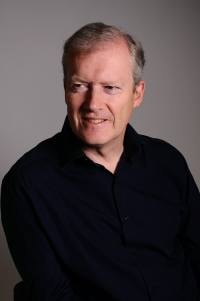
Peter Attia — physician, author of Outlive, and host of The Drive podcast — has arguably done more than anyone to bring evidence-based exercise physiology into mainstream longevity discussion. Unlike some longevity figures whose protocols lean heavily on supplements, Attia’s framework is built primarily around exercise physiology, nutrition, sleep, and emotional health, with supplementation treated as a minor addition rather than the main event.
Here’s a breakdown of his framework’s core pillars and what the underlying research actually supports.
Who Is Peter Attia?
Attia trained in general surgery before shifting his career toward longevity medicine, and now runs a medical practice focused on what he calls “Medicine 3.0” — a proactive, individualised approach to extending healthspan rather than just treating disease after it appears. His book Outlive: The Science and Art of Longevity popularised much of his framework for a mainstream audience.
“Medicine 3.0” and the Marginal Decade
Central to Attia’s framework is the idea of the “marginal decade” — the last ~10 years of life, when most people experience significant declines in physical capacity, cognition, and independence. His argument is that the interventions that matter most are the ones that improve your function during that marginal decade, which means prioritising the things most predictive of physical capability in old age: cardiorespiratory fitness, muscular strength, and stability.
Exercise: VO2 Max, Zone 2 & Strength
This is the pillar Attia is most associated with, and it’s also the best-evidenced part of his framework.
VO2 Max
Attia repeatedly cites cardiorespiratory fitness (VO2 max) as one of the single strongest predictors of all-cause mortality available in medicine. This is well supported: a landmark study tracking over 122,000 patients over 23 years found that cardiorespiratory fitness was a stronger predictor of long-term mortality than smoking, diabetes, or hypertension, with no upper ceiling to the benefit — the fittest individuals had roughly a five-fold lower risk of death than the least fit.[1]
Zone 2 Training
Attia is one of the figures most responsible for popularising “Zone 2” training — sustained, low-to-moderate intensity aerobic exercise performed at an intensity where lactate remains near baseline. The physiological rationale relates to metabolic flexibility — the ability to efficiently switch between burning fat and carbohydrate for fuel — which has been shown to differ meaningfully between trained and untrained individuals.[2] I cover this training method in full detail, including protocols and how to measure your zone, in my Zone 2 cardio guide.
Strength & Stability Training
Attia places heavy emphasis on maintaining muscular strength, grip strength, and stability (balance, mobility) as people age, framing these as directly protective against the falls and frailty that define poor outcomes in the marginal decade. This aligns with a substantial body of exercise physiology research on resistance training’s role in preserving function in older adults.[3]
Nutrition & Protein
Attia has become notably more flexible on dietary approach over time, moving away from strict ketogenic eating (which he has publicly discussed trying and moving on from) toward a more individualised approach guided by biomarkers and personal response. One consistent theme is an emphasis on protein intake meaningfully higher than standard dietary guidelines, particularly to support muscle protein synthesis in the context of resistance training and ageing-related muscle loss (sarcopenia). This general direction — higher protein intake to counter age-related muscle loss — is broadly consistent with mainstream exercise nutrition science, though the exact optimal intake for healthy older adults is still debated in the literature.
Sleep & Emotional Health
Attia treats sleep as a foundational pillar rather than an afterthought, and has been notably candid about the role of emotional and mental health in his own framework — a departure from purely physical/biomarker-focused longevity content. He has spoken publicly about therapy and emotional wellbeing being as important to his own “healthspan” work as any physical intervention, which is a distinguishing feature of his approach relative to more purely biomarker-driven longevity figures.
Where Supplements Fit
Unlike Bryan Johnson or David Sinclair, Attia has been publicly sceptical of much of the longevity supplement industry, arguing that the evidence for most popular longevity compounds (including NAD+ precursors) remains preliminary compared to the evidence for exercise, sleep, and nutrition fundamentals. He has discussed using a small number of supplements in his own regimen but consistently frames them as a distant second priority — this is a genuinely useful corrective if you’ve read a lot of supplement-heavy longevity content elsewhere on this site.
What the Evidence Actually Supports
| Component | Evidence Strength |
|---|---|
| VO2 max / cardiorespiratory fitness as mortality predictor | Very strong — large observational data |
| Zone 2 training for metabolic flexibility | Moderate — mechanistically sound, growing evidence |
| Resistance training for healthy ageing | Strong — well-established consensus |
| Higher protein intake for older adults | Moderate-strong, optimal amount still debated |
| Sleep prioritisation | Strong — well-established consensus |
Frequently Asked Questions
What is Peter Attia’s main longevity philosophy?
Attia’s framework centres on preserving physical function during what he calls the “marginal decade” — the final years of life when most people experience serious declines. His priorities, in order, are cardiorespiratory fitness, strength and stability, nutrition, sleep, and emotional health — with supplements treated as a minor addition rather than a core strategy.
What is Zone 2 training and why does Attia recommend it?
Zone 2 is sustained, low-to-moderate intensity aerobic exercise performed at an intensity where blood lactate stays close to baseline. Attia recommends it because it builds metabolic flexibility and aerobic base without the recovery cost of high-intensity training, allowing it to be sustained frequently. See my full Zone 2 cardio guide for protocols.
Does Peter Attia take longevity supplements?
He has discussed using a limited number of supplements but is publicly sceptical of the strength of evidence behind most popular longevity compounds, and consistently frames supplementation as secondary to exercise, sleep, and nutrition fundamentals in his own protocol.
How much protein does Attia recommend for older adults?
He generally advocates for protein intake meaningfully above standard dietary guidelines to support muscle protein synthesis and counter age-related muscle loss, particularly alongside resistance training. The precise optimal intake for healthy older adults is still an active area of nutritional research rather than a single settled number.
How does Attia’s approach differ from Bryan Johnson’s?
Attia’s framework is built primarily around exercise physiology, nutrition, sleep, and emotional health, with minimal reliance on supplements or experimental medical interventions. Johnson’s approach is far more supplement- and biomarker-intensive, and includes experimental interventions like rapamycin and plasma exchange that Attia has not publicly adopted in the same way. See my Bryan Johnson Blueprint breakdown for the comparison.
Citations
- Mandsager K, Harb S, Cremer P, Phelan D, Nissen SE, Jaber W. Association of Cardiorespiratory Fitness With Long-term Mortality Among Adults Undergoing Exercise Treadmill Testing. JAMA Netw Open. 2018;1(6):e183605. PMID: 30535200
- San-Millán I, Brooks GA. Assessment of Metabolic Flexibility by Means of Measuring Blood Lactate, Fat, and Carbohydrate Oxidation Responses to Exercise in Professional Endurance Athletes and Less-Fit Individuals. Sports Med. 2018;48(2):467-479. PMID: 29098658
- Walton RG, Dungan CM, Long DE, et al. Metformin blunts muscle hypertrophy in response to progressive resistance exercise training in the elderly. Aging Cell. 2019;18(6):e13017. PMID: 31557380
- López-Otín C, Blasco MA, Partridge L, Serrano M, Kroemer G. Hallmarks of aging: An expanding universe. Cell. 2023;186(2):243-278. PMID: 36599349
- de Cabo R, Mattson MP. Effects of intermittent fasting on health, aging, and disease. N Engl J Med. 2019;381(26):2541-2551. PMID: 31881139
- Gibala MJ, Little JP, Macdonald MJ, Hawley JA. Physiological adaptations to low-volume, high-intensity interval training in health and disease. J Physiol. 2012;590(5):1077-1084. PMID: 22289907
Last reviewed: 18 Sep 2026 by Steve Butler, Health Writer & Longevity Researcher